About EuroTeQ Micro-Credentials
EuroTeQ Micro-Credentials are short, flexible learning opportunities designed for professionals who want to upskill or reskill in rapidly evolving technological fields.
By bringing together the expertise of leading European universities of science and technology, they provide access to high-quality knowledge and skills relevant to today’s changing world of work.
Micro-credential is a record of the learning outcomes that a learner has acquired following a small volume of learning. These learning outcomes have been assessed against transparent and clearly defined standards. Courses leading to micro-credentials are designed to provide the learner with specific knowledge, skills and competences that respond to societal, personal, cultural or labor market needs.
EuroTeQ Micro-Credentials are designed for engineers, technical professionals and lifelong learners seeking to upskill or reskill. They support people across career stages and educational backgrounds working in STEM, innovation, digitalisation, sustainability and emerging technologies.
EuroTeQ Micro-Credentials cover the key technologies and skills driving the green and digital transition, including AI and data science, sustainable construction and energy systems, battery technologies, biotechnology, advanced photonics, engineering design, and technology-driven business leadership.
All EuroTeQ micro-credentials are offered in English and come in a range of formats to suit different learning needs. The number of ECTS credits awarded varies, with 1 ECTS typically equivalent to 25 to 30 hours of learning.
Our formats include:
- online: a fully digital online experience
- onsite: lectures take place at a physical location = on-site
- hybrid: learners can participate online or on-site
- blended: combination of online and in-person elements
- synchronous: live sessions
- asynchronous: pre-recorded content
- Develop future-ready skills through high-quality, flexible learning designed for professionals and lifelong learners.
- Learn from leading European technical universities and benefit from expertise in technology, science, and innovation.
- Keep learning throughout your career. Develop your expertise as professional needs evolve.
- Choose courses in key areas such as AI, digitalisation, sustainability, innovation, and emerging technologies.
- Gain skills that matter in industry. Build practical competences connected to labour-market needs.
- Benefit from European collaboration. Access learning opportunities shaped by shared expertise across the EuroTeQ Alliance.
All EuroTeQ partners offer selected micro-credentials for EuroTeQ students and professionals.
- CTU (Czech Technical University in Prague, Czech Republic)
- DTU (Technical University of Denmark)
- EPFL (Swiss Federal Technology Institute of Lausanne)
- L’X (École Polytechnique, France)
- TalTech (Tallinn University of Technology, Estonia)
- TU/e (Eindhoven University of Technology, The Netherlands)
- TUM (Technical University of Munich, Germany)
How EuroTeQ Micro-Credentials work?
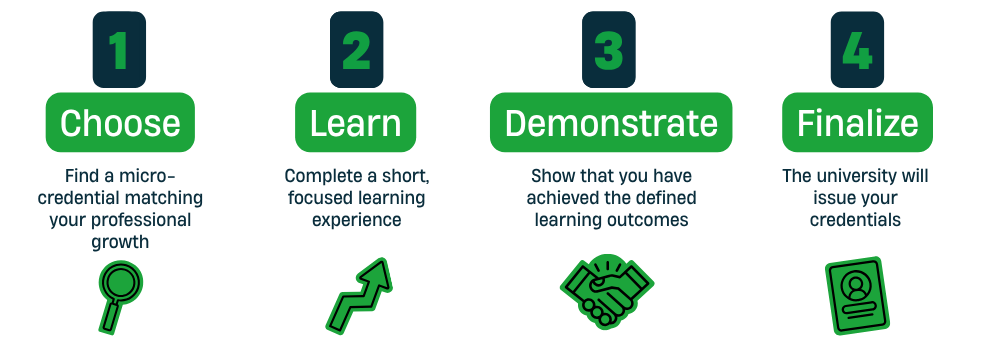
Explore the micro-credentials portfolio

CHIPS FOR AI
The course focuses on designing, optimising and deploying hardware systems for artificial intelligence, including AI chips and hardware–software co-design.
Target group: Company experts, engineers and chip designers who develop or select chips for running AI applications.
Where: Online
When: 02. 11. 2026–24. 01. 2027
Institution: Tallinn University of Technology (TalTech)
ECTS: 6?
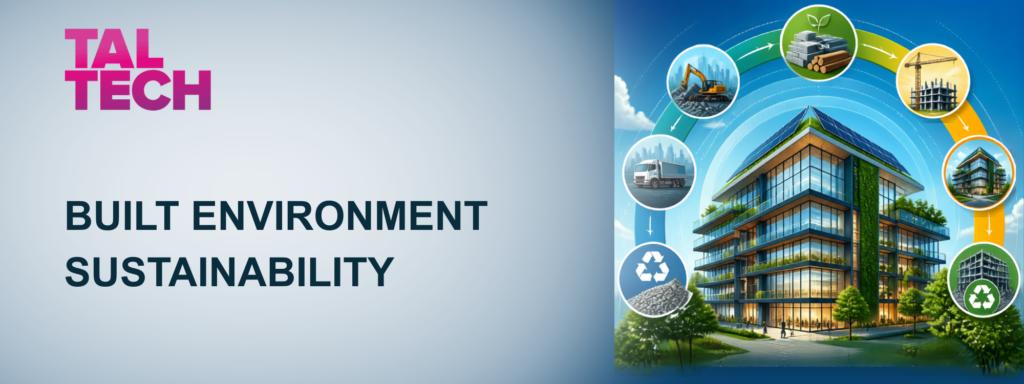
BUILT ENVIRONMENT SUSTAINABILITY
The course focuses on sustainable construction, teaching you to assess buildings’ environmental impact, calculate carbon footprints, and make informed decisions using Life Cycle Assessment (LCA).
Target group: Construction and architecture specialists.
Where: Online
When: 01. 11. 2026–24. 01. 2027
Institution: Tallinn University of Technology (TalTech)
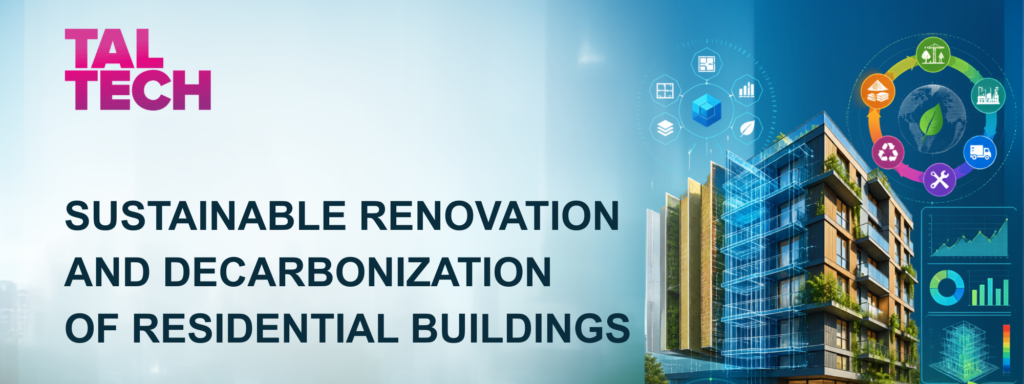
SUSTAINABLE RENOVATION AND DECARBONIZATION OF RESIDENTIAL BUILDINGS
This joint microcredential equips you with practical skills to assess buildings, develop sustainable renovation strategies, analyse lifecycle carbon footprints, and use BIM for data-driven decisions—preparing you to lead the transition to low-carbon residential buildings.
Target group: Construction and real estate professionals
Where: Online
When: 01. 11. 2026–24. 01. 2027
Institution: Tallinn University of Technology (TalTech)
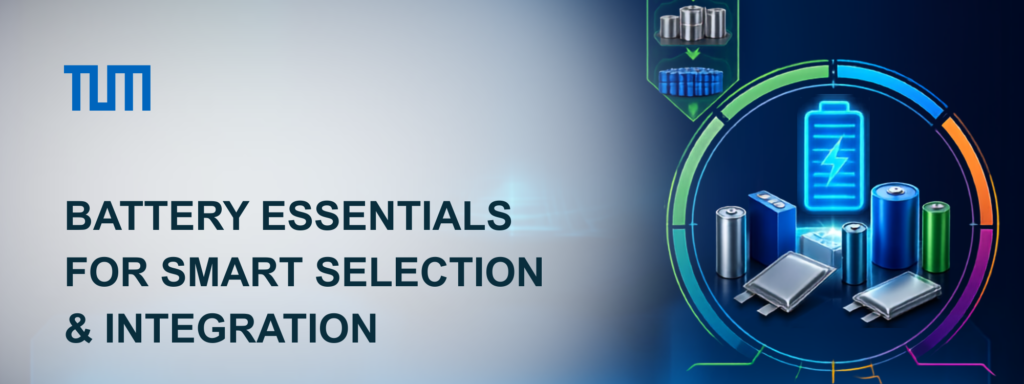
BATTERY ESSENTIALS FOR SMART SELECTION & INTEGRATION
This programme provides practical knowledge of battery technologies, performance, system integration and market structures, helping professionals make informed decisions on battery selection, sourcing and integration without becoming battery manufacturers. It combines technical fundamentals with strategic and commercial perspectives.
Target group: Decision-makers in industries transitioning to battery-based solutions.
Where: Garching near Munich, Germany
When: 01.–04. 12. 2026
Institution: Technical University of Munich (TUM)
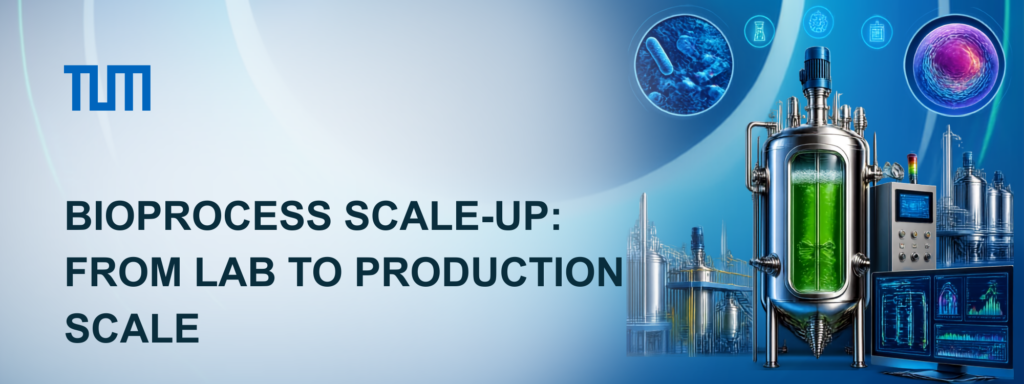
BIOPROCESS SCALE-UP: FROM LAB TO PRODUCTION SCALE
Where: Garching near Munich
When: 22. – 26. 02. 2027
Institution: Technical University of Munich (TUM)
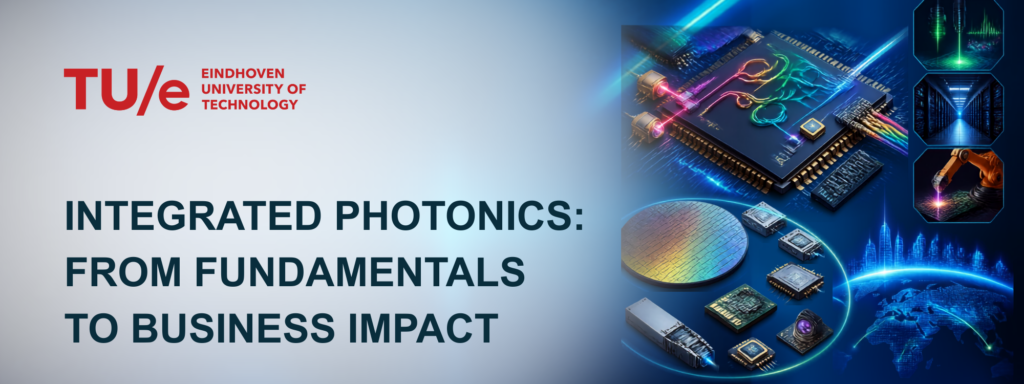
INTEGRATED PHOTONICS: FROM FUNDAMENTALS TO BUSINESS IMPACT
This course will deep dive into integrated photonics and the applications it enables. Integrated photonics manipulates light on a microscopic chip for communication, computing, imaging and sensing applications. The course combines technical capabilities with real-world applications.
Target group: Innovation managers, R&D professionals, technical specialists, product developers, and technology strategists.
Where: TU/e campus, Eindhoven, The Netherlands
When: 26.–29. 10. 2026
Institution: Eindhoven University of Technology (TU/e)
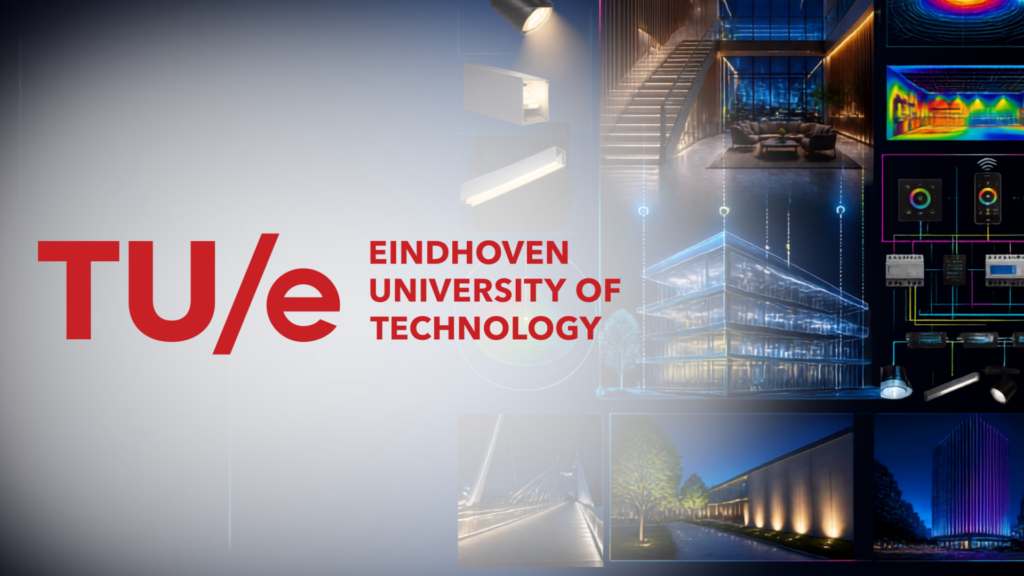
LIGHTING DESIGN AND ENGINEERING
The programme focuses on the principles, design and engineering of lighting systems, combining technical knowledge with practical approaches to creating effective lighting environments.
Target group: Professionals in the lighting industry – designers, engineers and technical specialists, as well as professionals in architectural firms, energy companies and lighting manufacturers.
Where: Online
When: from 30. 09., flexible throughout the year
Institution: Eindhoven University of Technology (TU/e)
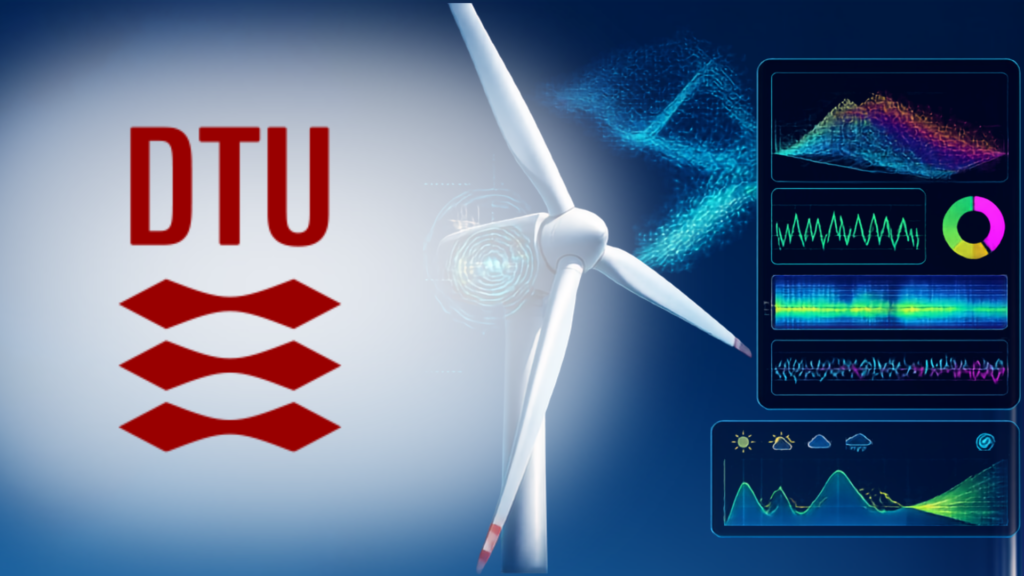
DATA SCIENCE ESSENTIALS FOR WIND AND ENERGY SYSTEMS
Target group: TBA
Where: TBA
When: TBA
Institution: Technical University of Denmark (DTU)
More information TBA
INTRODUCTION TO INDUSTRIAL MYCOLOGY
Target group: TBA
Where: TBA
When: TBA
Institution: Technical University of Denmark (DTU)
More information TBA
AI MASTERY FOR BUSINESS LEADERS
Target group: TBA
Where: TBA
When: Autumn 2026
Institution: Czech Technical University (CTU)
More information TBA
SUSTAINABLE TRANSFORMATION STRATEGY
Target group: TBA
Where: TBA
When: at the beginning of 2027
Institution: École polytechnique (L’X)
More information TBA
MANAGING WITH DATA AND AI
Target group: TBA
Where: TBA
When: at the beginning of 2027
Institution: École polytechnique (L’X)
More information TBA
FOUNDATIONS OF DATA ANALYSIS & VISUALIZATION WITH PYTHON
This course equips participants with practical skills to analyze, visualize, and communicate data using industry-standard Python libraries, enabling them to support evidence-based decision-making and create value for their organizations.
Target group: Professionals who work with data and want to use Python to analyze, visualize, and communicate insights more effectively.
Where: Online (duration 5 months)
When: Open for registrations
Institution: Swiss Federal Technology Institute of Lausanne (EPFL)
INTRODUCTION TO SUPERVISED MACHINE LEARNING WITH PYTHON
Target group: TBA
Where: TBA
When: TBA
Institution: Swiss Federal Technology Institute of Lausanne (EPFL)
More information TBA
European collaboration behind our Micro-Credentials
Building on the established collaboration within the EuroTeQ Alliance, the Erasmus+ Micro-Credentials project develops and tests new learning offers with a particular focus on skills for the green and digital transition. The project strengthens the Alliance’s long-term work on lifelong learning and contributes to the further development of Micro-Credentials across EuroTeQ.
Co-funded by the European Union
Funded by the European Union. Views and opinions expressed are however those of the author(s) only and do not necessarily reflect those of the European Union or the European Education and Culture Executive Agency (EACEA). Neither the European Union nor EACEA can be held responsible for them.
What EuroTeQ brings to your learning experience
- European expertise – learn from leading universities of science and technology across Europe.
- Future-oriented skills – develop knowledge and competences relevant to digitalisation, sustainability and emerging technologies.
- Industry relevance – benefit from learning shaped by dialogue with companies, professional organisations and wider innovation ecosystems.
- Flexible lifelong learning – access focused learning opportunities designed for professional upskilling and reskilling.
- Cross-border opportunities – benefit from the complementary expertise and learning opportunities available across the EuroTeQ network.